The Best Shoes for Formal Events: A Complete Style Guide

Knowing the right shoes for formal events is the difference between looking the part and looking almost right. Formal dress codes are precise, and footwear is where mistakes are made most often. A brown shoe at a black-tie gala can undermine an otherwise faultless outfit.. This guide sets out the best shoes for formal events by dress code, from black tie to weddings and galas, and the simple rules that keep you correct, whatever the invitation says.
Although invitations often describe the dress code in just a few words, each level of formality carries its own footwear expectations. Understanding those differences helps you avoid small mistakes that stand out immediately in elegant settings, where polished shoes are as important as the suit itself.
The First Rule of Formal Footwear
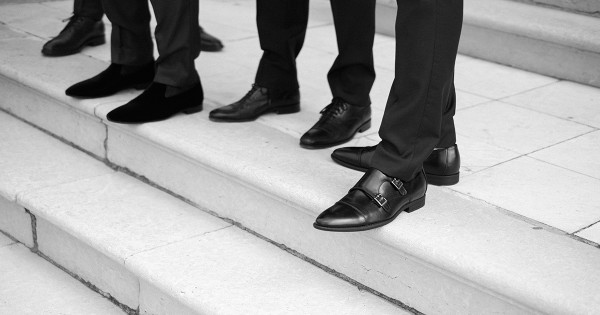
For shoes for formal events, the governing principle is simple: the more formal the event, the cleaner the design, the darker the leather, and the more closed the lacing should be. Closed lacing, a leather sole, and minimal ornamentation read formal; anything textured, open-laced, or rubber-soled reads less so. Start there, and the specifics fall into place. For the full hierarchy of styles, see our men's formal shoes guide.
When in doubt, always choose the more formal option. A clean black Oxford rarely looks out of place at an elegant event, whereas a casual shoe immediately attracts attention for the wrong reasons. Formal dressing rewards restraint more than originality.

The more formal the event, the cleaner and more closed the shoe should be
The Best Leather Shoes by Dress Code
Black Tie
The strictest code, and the least flexible. A black Wholecut Oxford or patent leather Oxford is correct; patent opera pumps are the traditional alternative. Avoid brown leather, textured finishes, and open-laced styles. Patent leather remains the traditional choice because it complements the satin details of a tuxedo, although a highly polished black calfskin Wholecut Oxford is now widely accepted for modern black-tie events.
Formal / Black-Tie Optional
A sleek black Cap-Toe Oxford on a refined last is the safest and most versatile choice. A very dark brown can work for the less strict end, but black is never wrong here. If the invitation says "Black Tie Optional" and you do not own a tuxedo, a dark suit with polished black Oxfords remains the safest interpretation of the dress code.
Formal Weddings
Formal weddings allow slightly more flexibility. A black Oxford suits an evening or black-tie wedding; a burnished dark-brown or oxblood Oxford is ideal for daytime. See our guide to the best wedding shoes for men for the full breakdown. The venue and time of day also matter. Evening weddings generally call for darker shoes, while daytime ceremonies allow richer brown tones that feel slightly more relaxed without sacrificing elegance.
Galas and Cocktail Formal
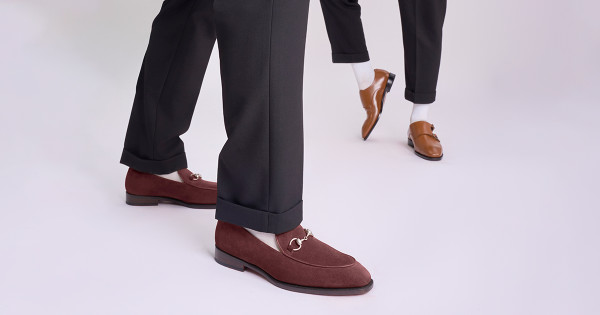
A black Oxford is always safe; a Double Monk Strap or a polished black penny loafer adds a touch of individuality at the slightly less strict events, provided the rest of the outfit is sharp. Cocktail events generally allow more personality than black tie, but refinement still matters. Choosing understated elegance rather than bold fashion pieces keeps the outfit appropriate in almost every setting.
How to Choose Formal Shoes When You're Unsure of the Dress Code
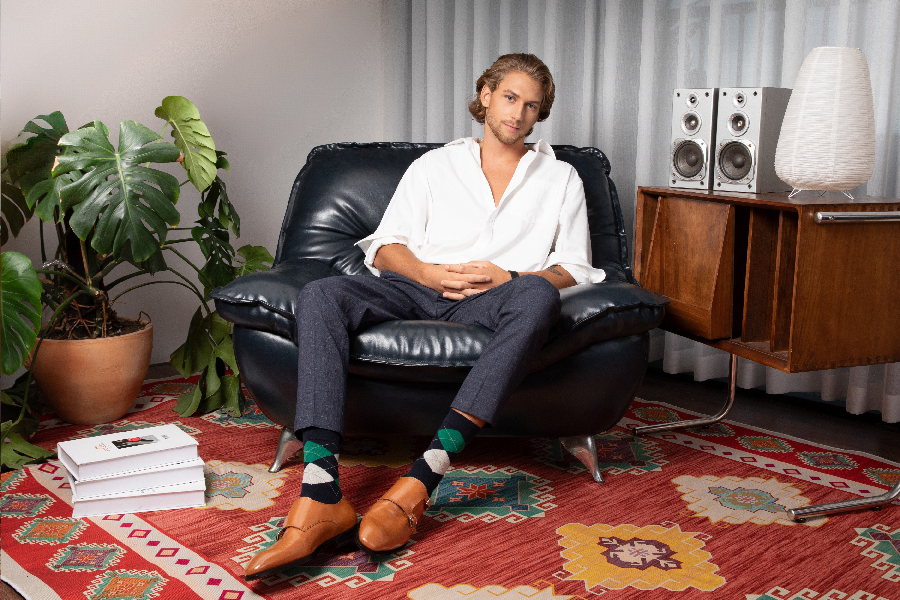
Not every invitation clearly explains what to wear. Terms such as "formal", "cocktail attire", or "black-tie optional" can easily cause uncertainty, particularly for people attending prestigious events for the first time.
When the dress code is unclear, begin with three questions: Is the event during the day or evening? Is it held in a ballroom, hotel, or private venue? Is the host known for traditional or modern style?
If uncertainty remains after answering those questions, a polished black Cap-Toe Oxford is almost always the safest choice. It is formal enough for elegant occasions while remaining appropriate for less strict events, making it one of the most versatile pairs a man can own.
Formal Event Shoe Reference
|
Dress code |
Best shoe |
Avoid |
|---|---|---|
|
Black tie |
Black Wholecut or patent Oxford |
Brown, suede, open lacing |
|
Formal / optional |
Black Cap-Toe Oxford |
Bright colors, rubber soles |
|
Formal wedding |
Black or burnished brown Oxford |
Casual styles |
|
Gala / cocktail |
Oxford, monk strap, sleek loafer |
Boots, sneakers |
If an invitation feels unclear, use the event venue and time of day as your guide. Evening events almost always lean more formal than daytime occasions, making polished black leather the safest choice whenever uncertainty remains.
Common Mistakes to Avoid
- Wearing brown to black tie -The most common mistake. Black tie calls for black shoes, without exception.
- Open lacing at the most formal events - A Derby is inherently less formal than a closed-laced Oxford; save it for business, not black tie.
- Rubber soles or chunky styles - They reduce the elegance of an otherwise formal outfit; a sleek leather sole is the formal choice.
- Scuffed or unpolished shoes - Formal settings are bright and close; neglected shoes are noticed immediately.
- Overly ornate detailing - Heavy broguing or bold hardware reads casual; the more formal the event, the plainer the shoe.
- Ignoring the condition of your shoes - Even the correct style loses its elegance if the leather is dry, scratched, or poorly maintained. Before any formal event, clean and polish your shoes so they complement the rest of the outfit.
- Choosing comfort by sacrificing formality - Heavy comfort shoes or athletic-inspired soles may feel easier to wear, but they noticeably reduce the elegance of a formal outfit. Instead, choose well-fitted leather shoes that remain comfortable without compromising the dress code.
Why Quality Shows at Formal Events
Formal settings are bright and close — exactly where a cheap shoe is exposed. A well-made pair in full-grain leather with a clean Goodyear welt and a hand-burnished toe cap reads as quality at a glance, whereas lower-quality materials and construction become much easier to notice. For events that matter, the shoe is not the place to economize. Unlike casual settings, formal venues often involve polished floors, bright lighting, and close social interaction. Details that might go unnoticed during everyday wear become much more visible, making craftsmanship and finishing significantly more important.
Why Custom Shoes Are Ideal for Formal Events
For events where every detail is seen, a custom pair has real advantages over off-the-rack:
- Exact color and style - Match the shoe precisely to the dress code and your outfit — a true black Wholecut for black tie, a burnished brown for a daytime formal.
- A flawless finish - Full-grain leather and hand-burnishing read as quality up close, where formal settings expose cheaper shoes.
- Comfort throughout a long event - Width options and a fit built to your foot keep you comfortable through hours of standing.
- A long-term investment - Goodyear construction means one great formal pair, resoled over the years, serves every black-tie event to come.
For professionals who attend weddings, galas, charity dinners, or corporate events regularly, investing in one exceptionally well-made custom pair often provides better long-term value than owning several lower-quality alternatives.
Frequently Asked Questions
What shoes do you wear to a black-tie event?
A black Wholecut or patent-leather Oxford, or traditional patent opera pumps. Black tie is the strictest code: nothing brown, textured, or open-laced is appropriate.
Can I wear brown shoes to a formal event?
Only at the less strict end — a burnished dark brown can suit a daytime formal wedding. For black tie and most evening formal events, black is the only correct choice.
Are loafers acceptable at formal events?
At galas and cocktail-formal events, a sleek black loafer can work if the rest of the outfit is sharp. For black tie, a lace-up Oxford is required.
Conclusion
The right shoes for formal events follow one rule — the more formal the event, the cleaner, darker, and more closed the shoe — and a black Oxford is rarely wrong. Match the shoe to the dress code, choose timeless quality over fashion, and you'll never be out of place at a formal event. A well-chosen pair of formal shoes does more than complete an outfit—it demonstrates attention to detail and respect for the occasion itself. Investing in timeless styles and quality construction ensures you will be prepared for every important invitation for years to come. Explore Viettano's custom dress shoes and build a formal pair that lasts.