What Are Custom Shoes? Fit, Style, and Craftsmanship

Custom shoes are footwear designed and built for a specific wearer. The customer selects the silhouette, leather, sole, and finishing details — and provides their measurements — before a single panel of leather is cut. Every pair sits at the intersection of personal style and skilled craftsmanship, offering an alternative to mass-produced footwear for people who want a one-of-a-kind wardrobe staple.
What Are Custom Shoes?
Custom shoes are shoes made after an order is placed, based on decisions the customer has made themselves. Instead of picking a pair from a brand's mass-produced inventory, the wearer chooses the silhouette, leather, finish, sole, and often the fit. Every pair is assembled by hand around those choices only after the order is placed.
Key Characteristics of Custom Shoes
- Customer-selected materials — whole-grain leather, suede, or patent, sourced from Italian and European tanneries.
- Chosen silhouette and details — Oxford, loafer, monkstrap, or boot, plus hardware, sole, toe tap, and finish.
- Hand-finished or fully handmade construction - using traditional shoemaking techniques.
- Built to order — no pair is produced until a customer commits to the design.
- Made-to-measure fit based on the wearer's foot dimensions, not a standard sizing curve alone.
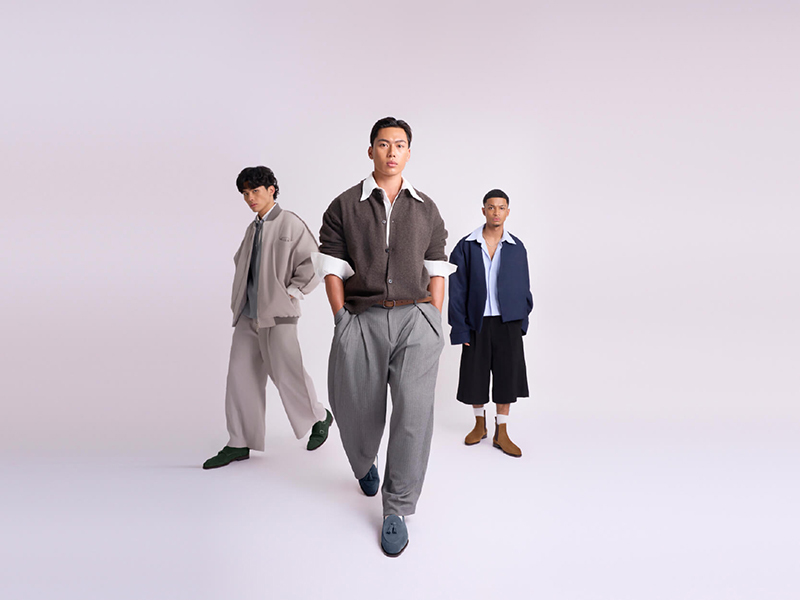
Custom shoes are made to order, shaped around the wearer’s preferences and fit.
Modern Custom Shoes: From Bespoke to Made-to-Measure
Today, custom shoes are no longer limited to traditional bespoke ateliers that require months of in-person fittings. Modern made-to-order shoes bring the same spirit of individuality into a more accessible process. A customer can design a pair online, select the details that matter, and receive something personal rather than assigned - often within a few weeks instead of half a year.
This shift has opened custom footwear to a much wider audience. Professionals who care about fit, style-conscious buyers who want one exceptional pair, and long-term wardrobe builders who would rather own fewer, better shoes all find themselves drawn to the same place.
Custom Shoes vs Ready-Made Shoes: What's the Real Difference?
Off-the-rack footwear is designed for the broadest possible audience to increase sales and margins. That means that most leather dress shoes you buy off the rack look relatively similar; brands create basic, accessible designs they think will appeal to a wide audience. But custom footwear begins with the individual. The table below summarizes how the two approaches compare across the factors buyers actually care about.
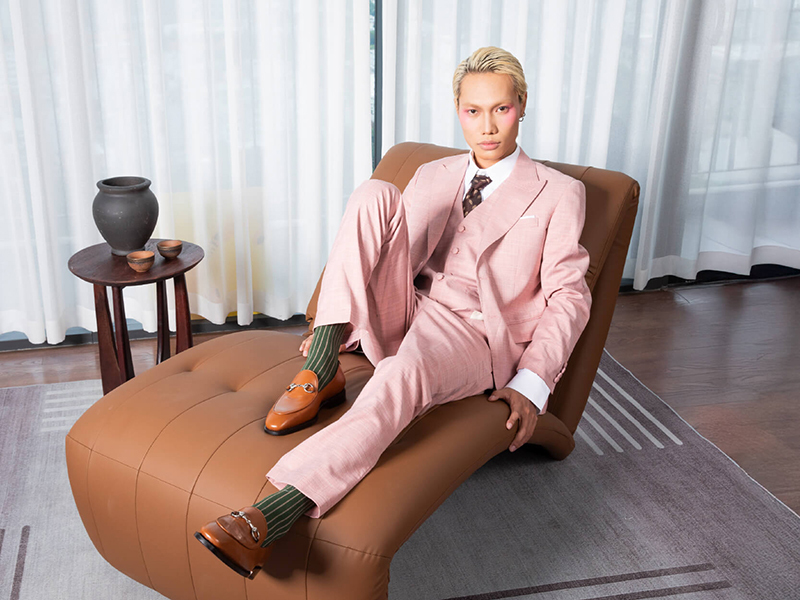
How custom shoes compare to ready-made footwear across fit, materials, and longevity.
|
Feature |
Custom Shoes |
Ready-Made / Mass-Produced Shoes |
|---|---|---|
|
Fit |
Built around your foot measurements and shape |
Designed for a standard sizing curve |
|
Design |
You choose silhouette, leather, color, sole, and finish |
Pre-defined by the brand, usually in black or brown only |
|
Material |
Imported Italian & European leather, treated for durability — naturally breathable, softens and develops character over time |
Often PU, microfiber, or synthetic leather; limited breathability, stiffer feel, and less natural ageing |
|
Craftsmanship |
Goodyear-welted, hand-lasted, and hand-finished for lifetime wear |
Mass-produced on assembly lines, often cement-glued and non-resoleable |
|
Production |
Made to order, assembled partly or fully by hand |
Mass-produced in advance, often offshored at scale for the lowest cost |
|
Lead time |
Typically 4–8 weeks |
Immediate |
|
Price |
Higher upfront investment reflecting materials and labour |
Lower entry price |
|
Longevity |
Built to last, resoleable, suitable for long-term wear |
Varies based on construction methods and materials; typically shorter lifespan |
|
Ownership feeling |
Personal, considered, long-term |
Practical, replaceable |
Why Custom Shoes Solve Common Fit and Design Problems
Most ready-made shoes are almost right. The shape works, but the leather doesn't. The color feels right, but the sole is wrong for daily wear. The fit is close but not exact. Custom shoes remove most of those compromises because the decisions are made in advance, by the person who will actually wear the pair, and shoemakers don’t start construction until they know all of your information and preferences. The result isn't only more comfortable - it's more cohesive with the wardrobe it lives in.
Benefits of Custom Shoes
- A more accurate fit, including width and asymmetry between feet
- Full control over style, leather, color, and finish
- Higher-quality imported leather and Goodyear-welted construction
- Longer useful life — well-made custom shoes can be resoled and restored
- A stronger sense of ownership and wardrobe alignment
- Better long-term value compared to repeatedly replacing cheaper shoes
A full breakdown of these benefits is covered in our article on why the benefits of custom shoes make personal design worth it.
Who Should Choose Custom Shoes?
Custom shoes aren't for every shopper, but they consistently suit a few specific kinds of buyer:
- Style-driven buyers who want a specific combination of last, leather, and finish that mass-market retail simply doesn't offer.
- People with fit challenges — wider forefoot, high instep, or different sizes between left and right feet.
- Long-term wardrobe builders who prefer fewer, better pairs over frequent replacements.
- Professionals who wear dress shoes often benefit from the improved durability and comfort.
- Shoe enthusiasts who want a pair that can be maintained, resoled, and worn for years with proper care.
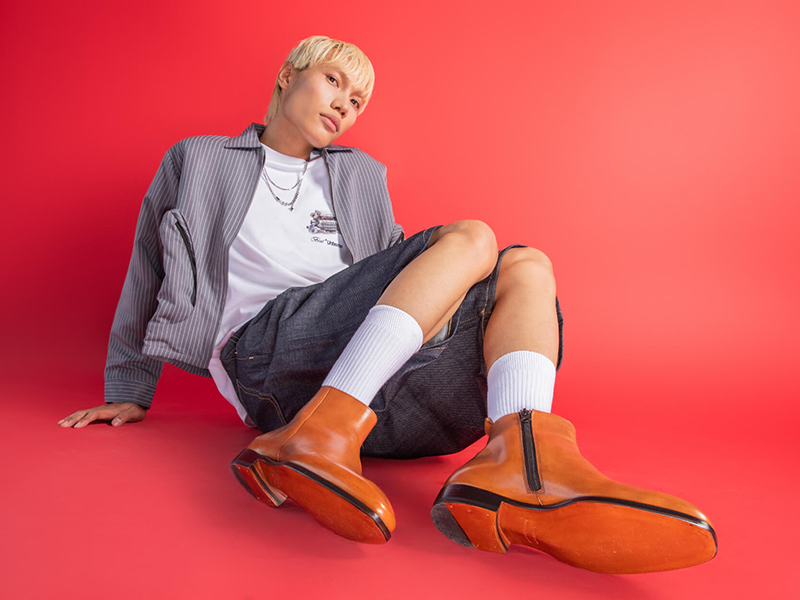
Custom shoes are made to order around the wearer’s preferences and fit needs.
Are Custom Shoes Worth It?
For most people, the honest answer is:
- Yes — if you care about fit, style, or longevity, or creating a unique piece for your shoe collection, especially if you plan to maintain and resole your pair for years of wear.
- No — if you want the cheapest pair you can find, or need a pair quickly. Custom shoes cost more upfront, but the combination of better fit, better materials, and longer wear often makes them less expensive over time than cheaper alternatives. The real test is whether you value the pair enough to wear it and repair it for years.
Custom shoes cost more upfront, but the combination of better fit, better materials, and longer wear often makes them less expensive per year than cheaper alternatives. Our detailed cost analysis explores whether custom shoes are worth it for your situation.
How Custom Shoes Are Made
Creating a pair of custom shoes typically follows five stages that combine personal choice with skilled shoemaking:
- Choose the style. Pick the silhouette — Oxford, loafer, or boot — based on how the pair will be worn.
- Select the materials. Decide on leather type, color, sole, and hardware based on climate, formality, and taste.
- Customize the details. Confirm toe taps, edge finish, sole color, and burnishing.
- Production. The shoe is cut, lasted, constructed, and finished by hand over the course of a few weeks.
- Delivery. The finished pair is quality-checked, packaged, and shipped to the customer.
For a deeper look at the full craft behind each pair, see how custom shoes are made step by step.
How to Choose the Right Custom Shoes
The best starting point is lifestyle, not style. Ask how often the pair will be worn, in what climate, and for which occasions. A daily commuter benefits from a rubber-soled loafer in a forgiving leather. A frequent traveler in formal settings may want a leather-soled Oxford in black calf. From there, commit to one meaningful detail — a specific color, a unique sole — that makes the pair unmistakably yours.
Common Mistakes When Buying Custom Shoes
- Prioritizing design over fit — a beautiful pair that doesn't fit will sit unworn
- Ignoring the maker's fit guidance or size charts, or measuring your feet incorrectly for custom sizing.
- Choosing materials that don't match your climate or daily wear pattern
- Underestimating lead times and ordering too close to an event
- Neglecting care - custom leather shoes last for years with proper conditioning, storage with shoe trees, rotation, and rotation and regular maintenance and resoling.
Explore Viettano's Custom Dress Shoes
Viettano designs and handcrafts custom dress shoes — Oxfords, loafers, boots, and monkstraps — each customizable and made for you with a range of leathers, soles, and finishes.
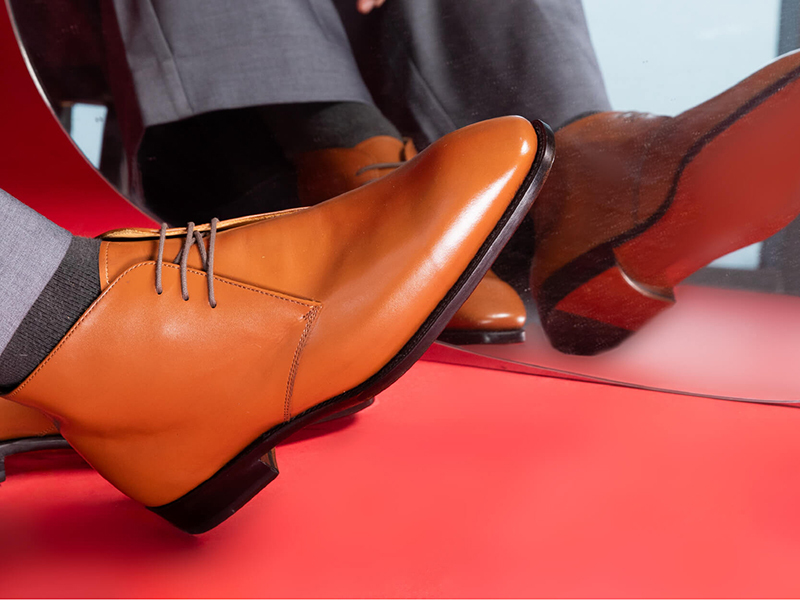
Viettano’s custom Oxfords, loafers, and boots, each handcrafted to order.
Custom Oxford Shoes
Our custom Oxfords are the foundation of a refined wardrobe — closed-laced, clean-lined, and built for formal occasions. Choose from whole-grain leather, suede, and patent leather across a curated color range. Starting at $325.
Custom Loafers
Viettano custom loafers combine slip-on ease with hand-lasted construction. Penny, tassel, horsebit, and Venetian styles work with tailoring, denim, and relaxed summer suiting. Starting at $350.
Custom Boots
Our custom boots — Elastic Chelsea, Zippered Chelsea, and Chukka boots— bridge formal and everyday wear. Rubber or leather soles available. Starting at $375.
Conclusion
At its best, custom isn't about excess - it's about precision. It's the difference between wearing something that's simply available and wearing something that was thoughtfully and personally designed. That's why custom shoes continue to resonate with people who care about personal style, lasting quality, and the confidence that comes from pairs made with them in mind.
At Viettano, that philosophy is at the core of every pair we make. Explore our custom dress shoe collection and start designing the pair that belongs in your wardrobe.