Viettano vs Traditional Bespoke Shoes: Which Is Right for You?
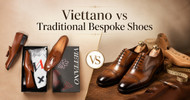
For anyone weighing the great names among bespoke shoe brands, the real question is rarely which atelier, but whether full bespoke is the right route at all. Both approaches produce exceptional footwear, but they solve different problems. Traditional bespoke prioritizes absolute personalization regardless of time or cost, while made-to-order focuses on delivering a highly personalized experience that is more accessible for everyday buyers. Traditional bespoke offers an unmatched fit at an unmatched price — and an unmatched wait. Viettano offers most of the personalization and handcraft at a fraction of the cost and time. This article compares the two directly — on fit, customization, cost, and wait — so you can decide which path actually suits your needs, rather than which is simply the most prestigious.
First, the Definitions
The words are often blurred, so it helps to separate them. Traditional bespoke means a unique shoe last is carved for your foot, and the pair is built from scratch over several fittings — the most exact fit money can buy, from established bespoke shoe brands. Made-to-order custom shoes, Viettano's model, builds on a refined existing last, adjusted to your measurements, with full design customization and no in-person fittings. That refined last has itself been developed through extensive fitting and wear testing over the years, which is why it fits so well without bespoke's repeated appointments. Off-the-rack is neither fixed to your foot nor to your design. This article concerns the first two. Neither approach is inherently better. They simply represent different levels of customization, investment, and craftsmanship, making each suitable for different types of customers.
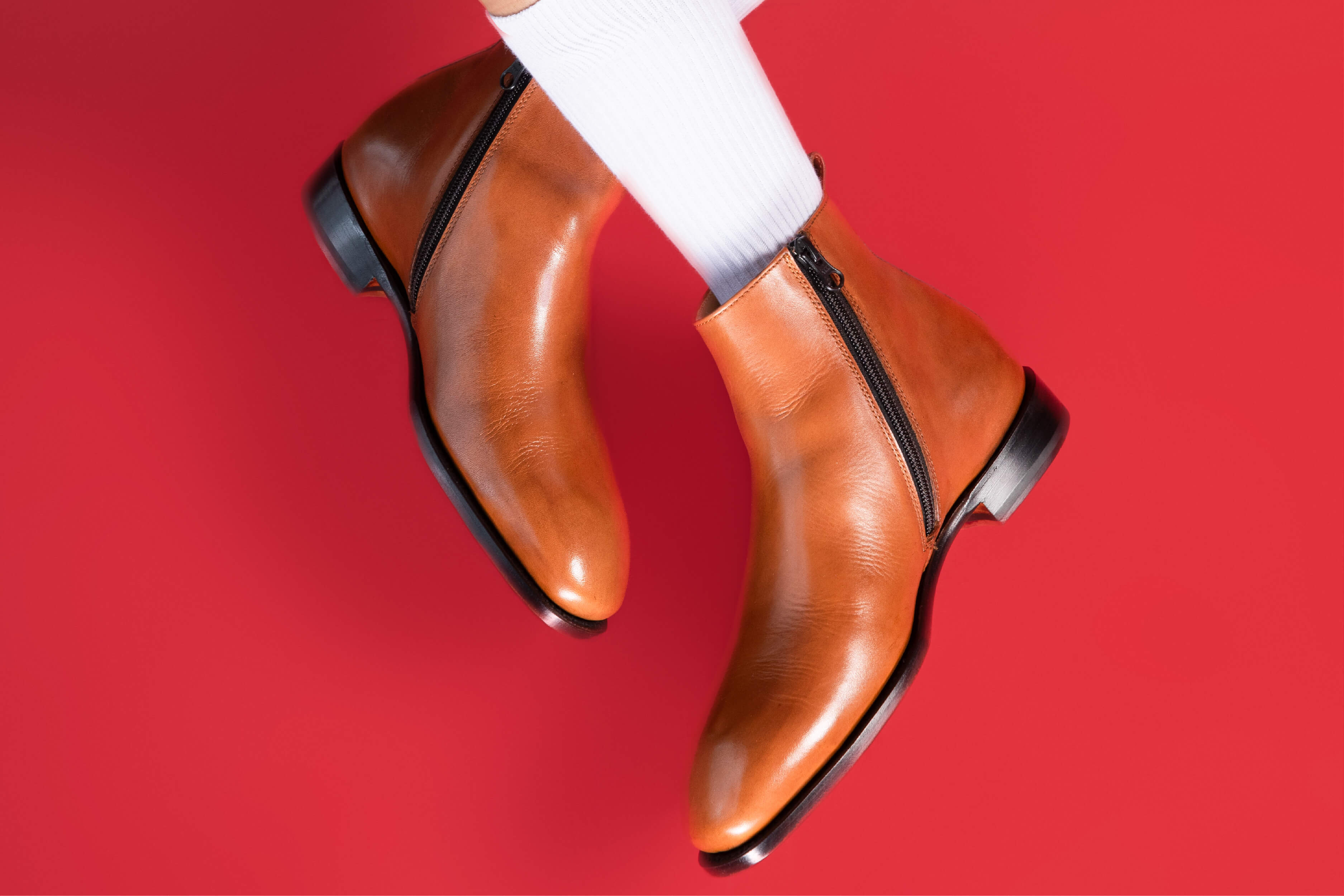
Bespoke carves a unique last; made-to-order builds on a refined last adjusted to you
Fit: Bespoke's Strongest Card
On pure fit, traditional bespoke leads. A last carved to your exact foot, refined across multiple fittings, accommodates asymmetries and idiosyncrasies that nothing else can. Viettano's made-to-order shoes close most of the gap — width options and careful measurement deliver a fit far beyond off-the-rack — but for a genuinely unusual foot, full bespoke remains the gold standard. For most people, the practical difference is small; for a few, it is decisive. For customers with relatively standard foot proportions, the practical difference between a well-executed made-to-order shoe and bespoke may be smaller than many expect.
Customization: A Closer Match Than You'd Expect
Here, the two are nearer than the price gap suggests. Both let you choose silhouette, leather, sole, and finishing detail. Bespoke adds the ability to alter the last's shape itself and, often, more exotic materials; Viettano covers the decisions that matter to most buyers — the Cap-Toe versus Wholecut Oxford, the leather and color, the welt and sole — within a guided online builder. If your aim is a pair that looks and feels personal, made-to-order delivers it.
In practice, most customers customize visible design elements far more frequently than they request structural changes to the last itself. For that reason, the difference in day-to-day experience is often smaller than the technical distinction might suggest.
Cost and Wait: Where the Models Diverge
This is the decisive comparison for most people. Traditional bespoke runs into four figures and months of waiting, with several fittings in person. Made-to-order custom shoes cost a fraction of that and arrive in weeks, designed online without an appointment. You are trading the last few percent of fit perfection for a very large saving in money and time.
|
Traditional bespoke |
Viettano (made-to-order) |
|
|---|---|---|
|
Fit |
Unique last; the most exact |
Refined last + your measurements |
|
Customization |
Fullest, incl. last shape |
Silhouette, leather, sole, finish |
|
Cost |
Four figures |
A fraction of bespoke |
|
Wait |
Months |
About five weeks |
|
Fittings |
Several, in person |
None; measured at home |
The higher cost of bespoke reflects the creation of a unique last, multiple fittings, and substantially more labor. Made-to-order footwear reduces much of that cost by building upon an already refined last while still allowing extensive personalization.
Which Route Is Right for You?
Choosing between bespoke and made-to-order shoes is less about which is objectively better and more about which best matches your expectations, budget, and wearing habits. Ultimately, the right choice depends on your priorities. While both approaches offer exceptional craftsmanship, they are designed for different needs, budgets, and buying experiences.
Traditional Bespoke Is Best For
- People with difficult-to-fit feet
- Collectors and enthusiasts
- Buyers seeking the highest level of personalization, cost aside
Made-to-Order Is Best For
- Professionals and first-time buyers
- Wedding shoes and business wear
- Buyers seeking the best balance of fit, quality, and value
When Bespoke Is Genuinely Worth It
Full bespoke earns its cost in a few specific situations: a foot with a pronounced asymmetry or deformity that no standard last accommodates; a collector who values the craft and provenance of a hand-carved last as an object in itself; or a buyer for whom the very last percent of fit and the ceremony of the process matter more than money or time. In those cases, bespoke is the right answer and worth every bit of the wait. For most people, though, none of these apply. The honest conclusion is that the great majority of buyers do not actually need bespoke — they need a well-made, well-fitting, personal pair, which made-to-order delivers at a fraction of the cost and wait. Outside these situations, the additional investment often produces diminishing practical returns for the average wearer.
When Made-to-Order Shoes Is the Better Choice
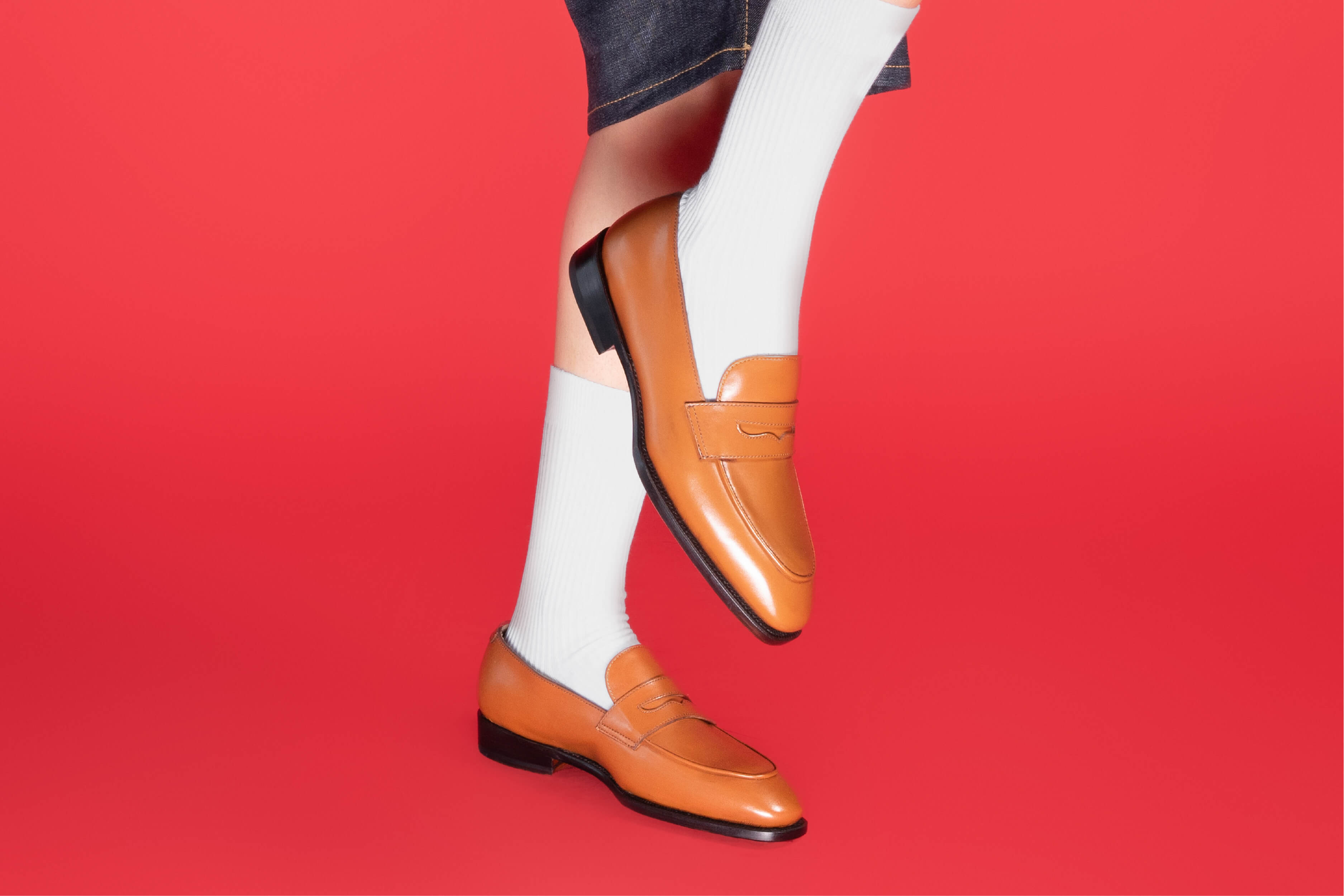
For nearly everyone else, made-to-order is the wiser route, and its advantages are concrete:
- Easy customization. You design silhouette, leather, color, and sole in minutes through a guided online builder — no appointment, no showroom.
- A far better fit than off-the-rack. Your own measurements and width options produce a fit most standard shoes never reach.
- Genuine value. The same full-grain leather and Goodyear construction as far pricier shoes, at a fraction of bespoke's cost.
- Weeks, not months. Around five weeks from design to delivery, versus a season or more for bespoke.
- Order from anywhere. No travel to an atelier; you measure at home, and the pair comes to you.
Frequently Asked Questions
What is the difference between bespoke and made-to-order shoes?
Bespoke carves a unique last for your foot and builds the pair over several fittings, at the highest cost and longest wait. Made-to-order builds on a refined existing last adjusted to your measurements, with full design customization, no fittings, in weeks, at a fraction of the cost.
Is made-to-order as good as bespoke?
For fit, bespoke holds a slight edge for unusual feet. For most people, made-to-order delivers most of the benefit — a personal, handcrafted, well-fitting pair — for far less money and time, which makes it the more sensible choice.
Are bespoke shoes worth the price?
For those with a difficult foot or a desire for the absolute best fit, yes. For most buyers, a made-to-order custom pair offers nearly the same result at a fraction of the cost, so the value case favors made-to-order.
Conclusion
Set against traditional bespoke shoe brands, Viettano trades the last fraction of fit perfection for an enormous saving in cost and time — a trade most people should reasonably make. If your foot and budget call for full bespoke, take it; otherwise, Viettano's custom dress shoes deliver the personal, handcrafted result for far less.