How Custom Shoes Are Made: From Design to Finished Pair
How custom shoes are made through a sequence of eight crafted steps: design, leather selection, cutting, stitching, lasting, construction, finishing, and quality control. Unlike mass-produced footwear, a custom shoe doesn’t exist before the customer imagines it. Every decision, from silhouette to stitch, is made before a single panel of leather is cut.
What Makes Custom Shoes Different from Mass-Produced Shoes
The difference between custom shoes and mass-produced footwear begins with authorship. In a factory, shoes are designed by a product team, produced by the thousand, and pushed to shelves, hoping customers will find a version close enough to what they want. Custom shoemaking reverses that order — the customer decides first, and the pair is built around those decisions.
That change affects more than how the shoe looks. It affects the materials, the time spent on each pair, and the level of hand-finishing. A custom shoemaker works with a single pair at a time, not a production line. The result is footwear that reflects the wearer rather than the average buyer.
The Custom Shoemaking Process, Step by Step
Step 1 — The Customer Selects Their Design and Customization
The process starts with design. The customer selects the silhouette first — Oxford, loafer, or boot — then layers in the details. Leather type, color, sole construction, edge finish, and hardware are all chosen at this stage. Each decision narrows the final pair into something specific.
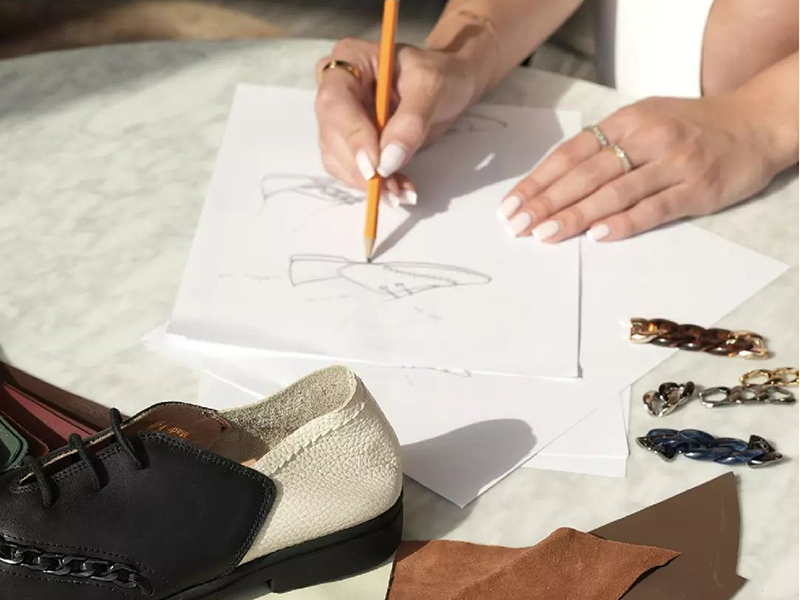
Design is the first step in how custom shoes are made — every choice is finalized before the leather is cut.
Step 2 — Selecting Leather and Materials
This is where custom leather shoes begin to take on their identity. The shoemaker selects the best leather for each pair from their stock, depending on the type of material the customer wants–from sleek whole grain leather, to soft suede, to shiny patent leather. Full-grain leather offers structure and a clean polish. Suede softens the mood and works particularly well for loafers and warmer-weather wear. The patent adds a formal, high-gloss expression for evening shoes. The maker also selects the lining leather, the insole board, and the sole leather, because each of those choices changes how the shoe feels and ages.
Step 3 — Cutting The Leather
Once the design is confirmed, the shoemaking process begins with cutting. Panels are cut from the selected leather according to the pattern and size of the chosen style. This stage is more careful than it sounds - the best sections of the hide must be placed where they'll be most visible, and any natural marks or variations must be removed or read and planned around. For handmade shoes, cutting is as much judgment as technique.
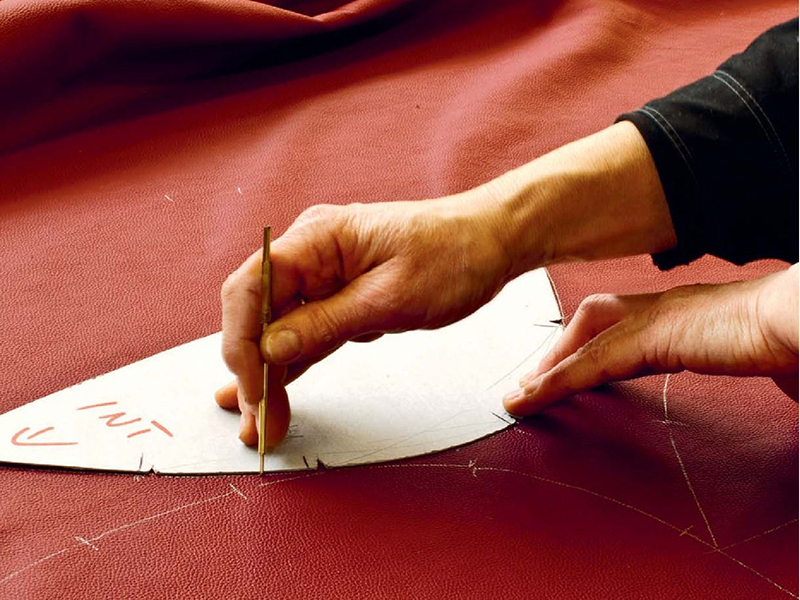
Cutting panels from imported Italian leather — one of the most precise steps in how custom shoes are made.
Step 4 — Stitching and Closing the Upper
After cutting comes stitching and closing. This is where the upper begins to take shape. Separate leather panels are joined into a recognizable silhouette - a clean loafer vamp, a sharp Oxford quarter, or a smooth monkstrap line. These aren't just aesthetic features; they're the architecture of the final pair. Stitch density and precision, thread colour, and reinforcement all matter here.
Step 5 — Lasting (Shaping the Shoe)
Lasting is one of the most important steps in the process of making a custom shoe. The upper is pulled tightly over a last, the wooden or plastic mold that gives the shoe its proportions and fit. The leather is worked until it conforms exactly to the last's contours, then left in place to settle. If done well, the result feels balanced and visually precise. If done poorly, no amount of finishing will save the pair.
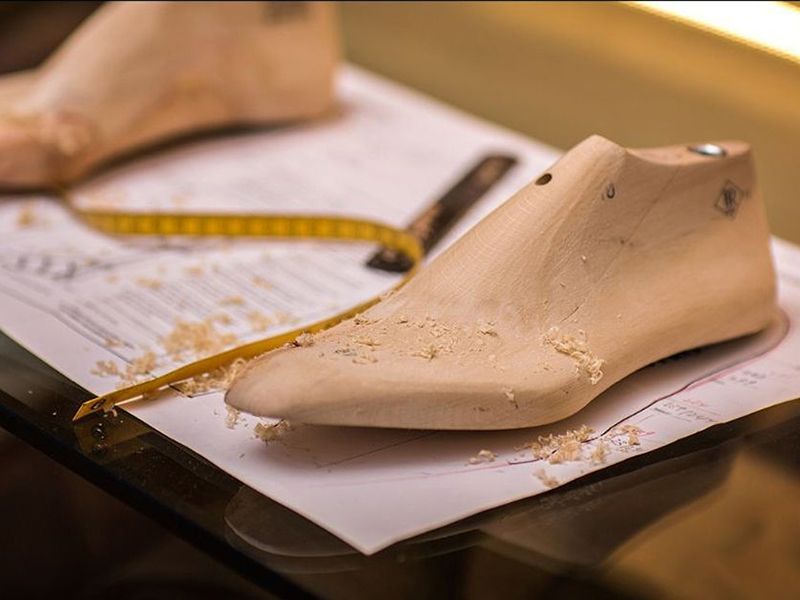
Lasting shapes the shoe — the critical step that defines both fit and silhouette.
Step 6 —Attaching Sole
The construction stage comes next, and this is where the shoe begins to take on its long-term character and performance. Depending on the maker and the style, the sole of the shoe may be Goodyear-welted, Blake-stitched, hand-welted, or stitched down. Each method affects durability, flexibility, and whether the pair can be resoled. Welted shoes take longer to make but can be repaired and restored for decades, which is why serious makers almost always choose welted soles for formal footwear.
Step 7 — Finishing and Detailing
Finishing is where the pair gains its final character. Edges are trimmed and inked. The sole is shaped and sometimes stained. The leather is cleaned, conditioned, and polished. Burnishing can be added on the toe and heel to create depth and dimension. Some finishes stay crisp and subtle; others introduce more drama. At this point, the shoe stops being a work in progress and becomes a complete expression of the customer's original design.
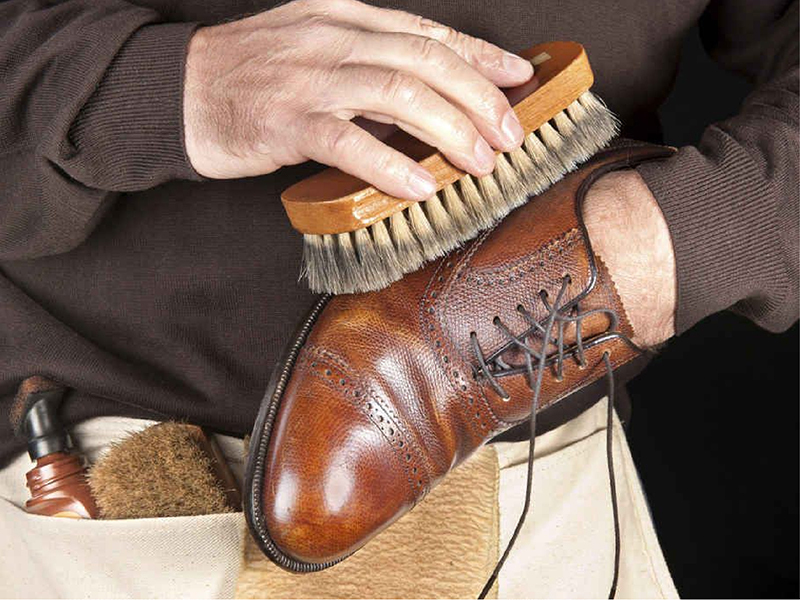
Finishing adds depth and character — the final stage before inspection and delivery.
Step 8 — Final Quality Check
Finally, the pair is checked against the order in every detail: correct leather, correct color, correct sole, correct finish, correct size. What makes handmade shoes special isn't simply that human hands touched them. It's those hands that followed a process shaped by choice and discipline. That's how custom shoes are made — not from stock, but from intention.
How Long Does It Take to Make Custom Shoes?
Most made-to-order custom shoes take between four and eight weeks from order to delivery — Viettano typically delivers in around five weeks, faster than the industry average. Fully bespoke pairs with a unique last carved from scratch can take four to six months. Several factors affect the timeline:
- Complexity of the design — multiple leathers, brogueing, or unusual details add hand-work hours.
- Material availability — specialty leathers may need to be ordered or reserved.
- Construction method — Goodyear-welted and hand-welted shoes take significantly longer than cemented ones.
- Production load — a workshop with a waiting list may take longer than one with open capacity.
- Fittings required — bespoke pairs need trial fittings; made-to-order pairs typically don't.
Are Custom Shoes Handmade?
Most high-quality custom shoes are hand-finished rather than entirely handmade. Machine-assisted steps — cutting, some stitching, sole trimming — are common and compatible with craftsmanship. What separates custom from mass production is that the critical steps are still done by skilled hand: leather grading, lasting, welting, edge finishing, and polishing. At Viettano, every pair is hand-lasted and hand-finished by experienced shoemakers, with machine assistance used only where it improves consistency without sacrificing character.
Why the Process Matters for Quality and Fit
The value of custom shoes doesn't come from materials alone — it comes from the process that shapes them. When each step is done with care, the result shows up in four specific places:
- Better fit. Hand-lasting allows the leather to settle into the shape of the last — and, by extension, the foot — more completely than machine-only methods. Learn more about how the right shoe last determines fit.
- Better durability. Welted construction and careful stitching mean the shoe can be resoled and worn for many years.
- Personal expression. The process is flexible enough to reflect individual taste in a way factory production can't match.
- Emotional ownership. A pair you helped design - and that a known pair of hands actually built - becomes a personal statement piece you can wear for years.
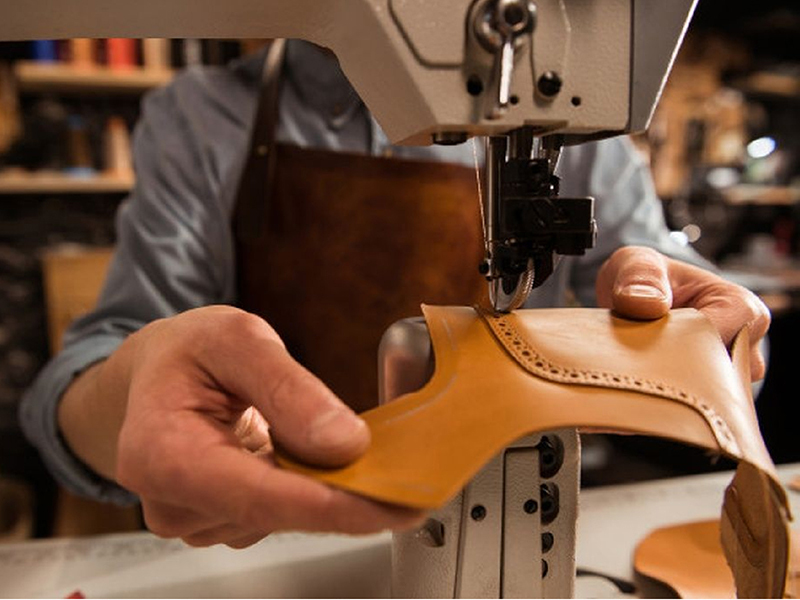
Design is the first step in how custom shoes are made — every detail is decided before the leather is cut.
Explore Viettano's Handmade Custom Dress Shoes
Every pair of Viettano shoes follows the eight-step process above. Our workshop produces three core silhouettes, each available in a curated selection of leathers and soles.
Custom Oxford Shoes
Goodyear-welted construction, closed-laced silhouette, and a choice of whole-grain leather, suede, or patent. Designed for formal settings where fit and finish both matter.
Custom Loafers
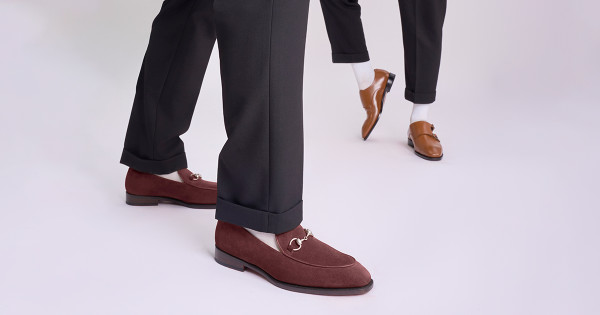
Hand-lasted penny, tassel, horsebit, and Venetian loafers with leather or rubber soles. Built for tailoring, comfortable enough for daily rotation.
Custom Boots
Elastic Chelsea, Zippered Chelsea, and Chukka boots for year-round wear, with rubber or leather sole options.

Viettano custom boots and Oxfords — all crafted through the same eight-step shoemaking process.
Conclusion
Custom shoes aren't defined by materials or appearance alone — they're defined by the process that brings them to life. Each step, from first design decision to final polish, shapes how the shoe fits, feels, and performs over time. Understanding how custom shoes are made is the first step to appreciating why they continue to earn their place in wardrobes that value considered choice over standardization.
If you're ready to see the process applied to your own pair, explore Viettano's custom shoes and begin designing a pair built — start to finish — around you.