Custom Shoes versus Off-the-Rack Shoes: What's the Real Difference?
Custom shoes vs off-the-rack shoes come down to four real differences: how the pair fits, what it's made from, how long it lasts, and how naturally it integrates into your wardrobe. Custom shoes are built around a specific wearer's measurements and preferences, while off-the-rack shoes are mass-produced to a standard sizing curve and sold from existing stock.
What Are Custom Shoes and Off-the-Rack Shoes?
Before comparing the two, it helps to define each term clearly:
- Custom shoes are made after the order is placed. The customer selects the silhouette, leather, sole, and fit-related details, and the pair is built specifically for them. Custom includes both bespoke and made-to-order footwear.
- Off-the-rack shoes (sometimes called ready-made or ready-to-wear) are produced in bulk to standard sizes, then sold from existing stock. The design is fixed by the brand; the customer chooses from what's already available.
Custom Shoes vs Off-the-Rack Shoes: Key Differences
1. Design Process and Personalization
The difference begins with authorship. Off-the-rack footwear is designed and manufactured first, then offered to the market in stores or online in the hope that the customer will find a version close enough to what they want. Custom footwear reverses that order - the customer begins with their own preferences, and the shoe is built from there.
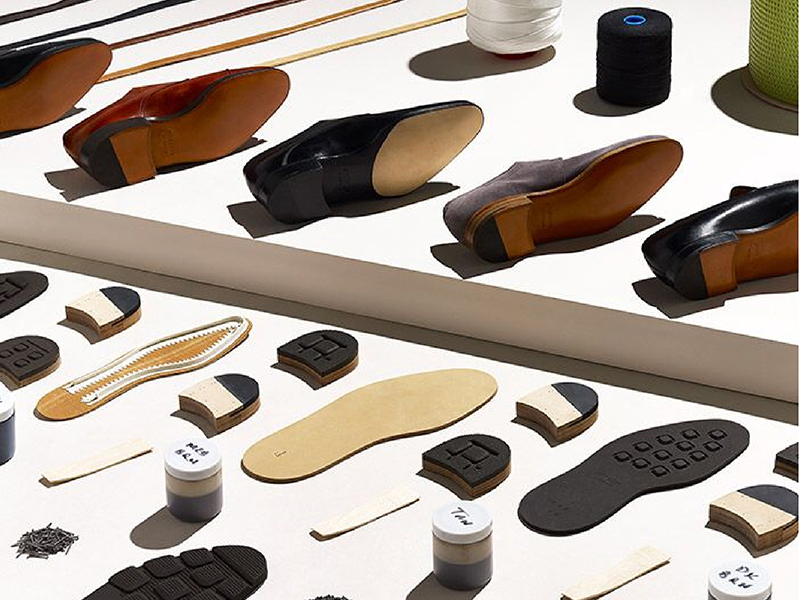
Custom shoes vs off-the-rack shoes — the process begins with the wearer, not the shelf.
That change affects more than appearance. It changes how the pair feels, how well it fits into a wardrobe, and how much ownership the wearer feels once it arrives. With off-the-rack shoes, compromise is almost always part of the process. The color may work, but the sole doesn't. The shape is close, but the finish is wrong. Personalized shoes reduce those compromises because more of the final result is decided in advance by the wearer.
2. Fit and Comfort
Fit is where custom shoes really differ from off-the-rack shoes. Most ready-made footwear is built around standard sizing assumptions. That works for some people, but not for everyone. A fuller forefoot, a higher instep, or even slightly different feet from left to right can turn a beautiful shoe into an uncomfortable one. Custom dress shoes give the wearer a better chance at a more exact, comfortable result - especially when the maker offers width options and different sizing for each foot.
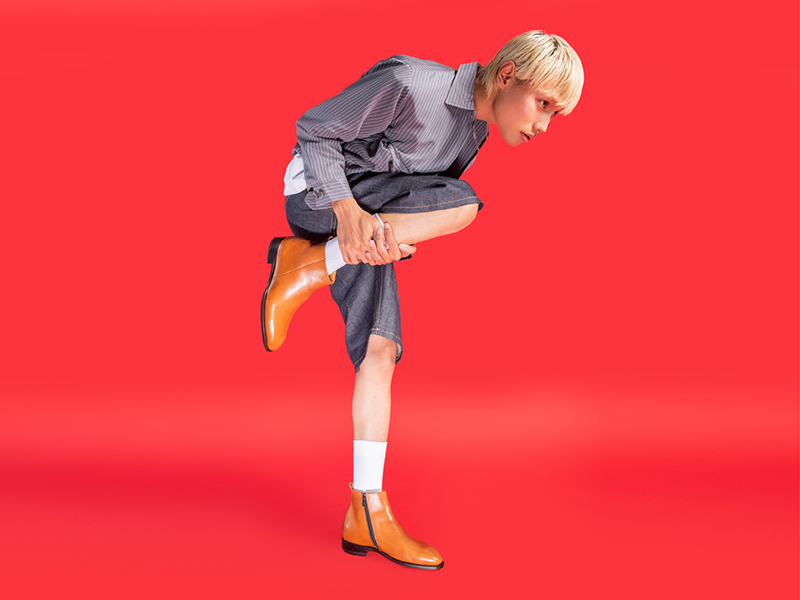
Custom shoes vs off-the-rack shoes — the design process starts with the customer.
3. Materials and Construction
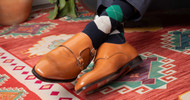
This is often the least discussed difference, and arguably the most important. Ready-made shoes at the accessible end of the market are frequently made from PU, microfiber, or bonded leather — synthetic materials that feel stiffer and don't age the way natural leather does. Custom leather shoes from serious makers use full-grain or whole-grain imported leather — treated for durability, softer over time, and capable of developing genuine character. Viettano sources Italian and European leathers specifically because they hold up and look better with age.
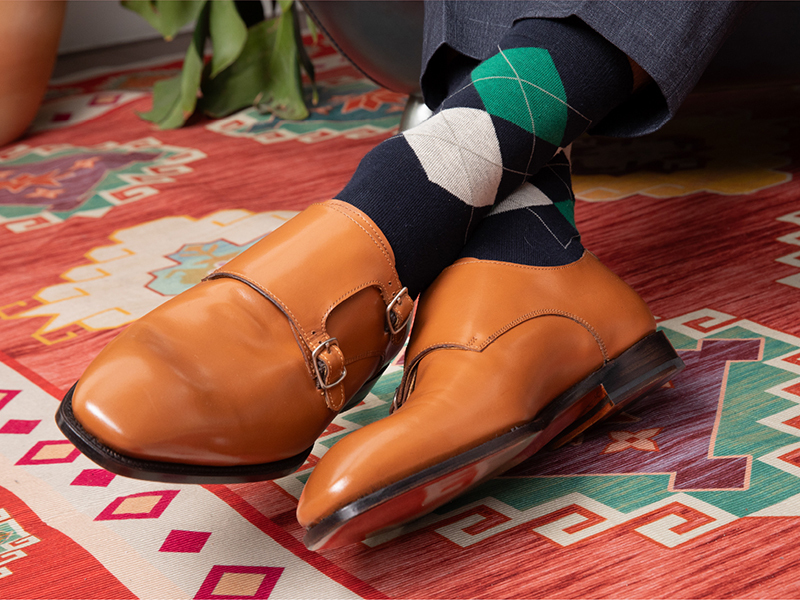
Imported Italian leather — one of the clearest material differences between custom and ready-made shoes.
4. Style and Versatility
Off-the-rack shoes are designed to appeal to the broadest audience possible, which usually means the design sits in the middle of the market. For most leather dress shoes, that means you can choose from a narrow range of styles, fits, and colors. Bespoke shoes and modern custom shoes, by contrast, can reflect a more specific point of view — a burnished Oxford in a wide range of colors, a suede loafer with a rubber sole, a patent pair for evening, or a different sizing approach for each foot. These choices make the final pair feel deliberate rather than generic.
5. Value and Longevity
Ready-made shoes usually win on convenience and speed. But custom footwear carries a different kind of weight because the pair is made for you only after you complete your design. When someone has chosen every detail, the shoe becomes less replaceable. It's cared for differently, worn more intentionally, and usually lasts longer, not just because the construction is better, but because the owner commits to maintaining it.
This isn't to say off-the-rack shoes have no place. They're useful, immediate, and often the right call when urgency matters most. But when the goal is fit, individuality, and the sense that a shoe belongs in your life rather than merely fitting into it, custom shoes offer something stronger - alignment.
Quick Comparison: Custom vs Off-the-Rack Shoes
|
Feature |
Custom Shoes |
Off-the-Rack Shoes |
|---|---|---|
|
Fit |
Tailored to your foot shape and measurements |
Standard sizing curve |
|
Material |
Imported full-grain leather naturally softens over time |
Often PU, microfiber, or synthetic; stiffer, less natural ageing |
|
Design |
Chosen by the wearer from silhouette to stitch |
Predetermined by the brand |
|
Comfort |
Higher — fewer pressure points and break-in issues |
Depends on how well stock sizing matches your foot |
|
Availability |
Made to order (4–8 weeks typical) |
Immediate, in stock |
|
Price |
Higher upfront investment |
Wider range, often lower entry price |
|
Longevity |
Built to last, resoleable |
Varies by brand and construction |
|
Ownership feeling |
Long-term wardrobe piece |
More transactional |
How to Decide Between Custom and Ready-Made Shoes
When Off-the-Rack Shoes Make Sense
- You need the shoes immediately — for an event or a trip
- You’re looking for a basic shoe style or color
- You want a lower upfront price and are not prioritizing longevity or personalization
- You prefer to try the shoe on before buying
When Custom Shoes Become a Better Choice
- Standard sizing doesn't work for you — different sizes, width issues, or high instep
- You have a specific style in mind that retail simply doesn't stock
- You're building a long-term wardrobe of fewer, better pieces
- You wear dress shoes often and want something that lasts and can be resoled
Why the Difference Matters Over Time
The custom vs off-the-rack question looks different at purchase than five years later. A ready-made pair gets replaced when it wears out — usually within one to three years of regular wear. A well-made custom pair stays in rotation, gets resoled once or twice, and continues to earn its place because it still fits and still suits the wearer. That compounding effect is why people who switch to custom rarely go back.
There's also a quieter effect: alignment. When the leather, the last, the sole, and the finish were all chosen deliberately, the pair tends to go with almost everything in the wardrobe it was bought for. That reduces friction in daily dressing - you reach for the pair you designed, not a compromise.
Common Custom Shoe Styles to Consider
If you're leaning toward custom, three silhouettes cover most wardrobes:
- Custom Oxfords — closed-laced, formal, essential for formal tailoring and business settings.
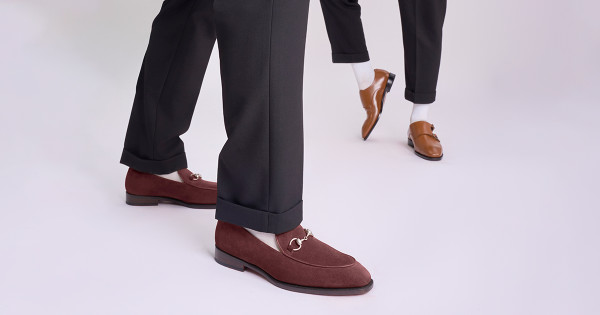
- Custom loafers — versatile slip-ons that work with suits, denim, and summer separates.
- Custom boots — Chelsea and chukka boots for cooler weather or dress-casual settings.
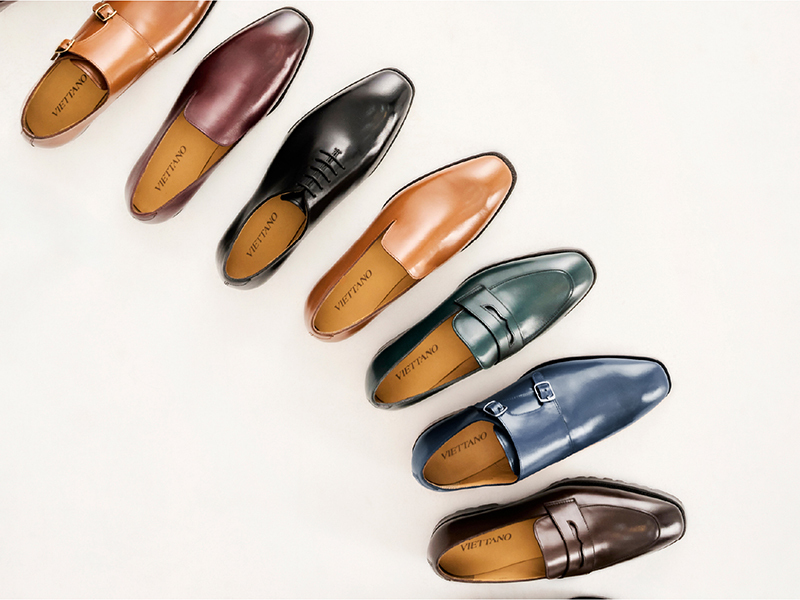
Three silhouettes that cover most wardrobes when comparing custom shoes vs off-the-rack shoes.
Conclusion
Custom shoes vs off-the-rack shoes is ultimately a question of priorities. One offers speed and accessibility. The other offers precision, individuality, and a stronger sense of ownership. For buyers who value fit and intention, custom footwear becomes more than a purchase — it becomes a considered part of how they present themselves.
If the compromise of ready-made shoes is starting to feel too familiar, explore Viettano's custom shoes and design a pair built around your foot, your wardrobe, and your life — not an average.