Custom Shoe Design Principles: A Guide to Better Choices

This guide to custom shoe design principles is for anyone who wants to design well, not just pick options at random. Good shoe design, like good tailoring, follows principles: proportion, color harmony, formality, and restraint. Grasp those, and every decision — from the shoe last to the welt, the toe cap to the sole — makes sense in relation to the others. Whether you favor a Cap-Toe Oxford, a Double Monk Strap, or a penny loafer, these principles make the pair you finish with look intentional and wear beautifully for years.
Principle One: Begin With Proportion and Silhouette
Every fine design opens with the silhouette, because it sets the proportions of the whole shoe. A sharp, elongated shoe last reads formal; a rounder last reads relaxed. Choose the shape before the color — a Cap-Toe Oxford, a penny loafer, and a chukka boot each carry their own proportion and tone.
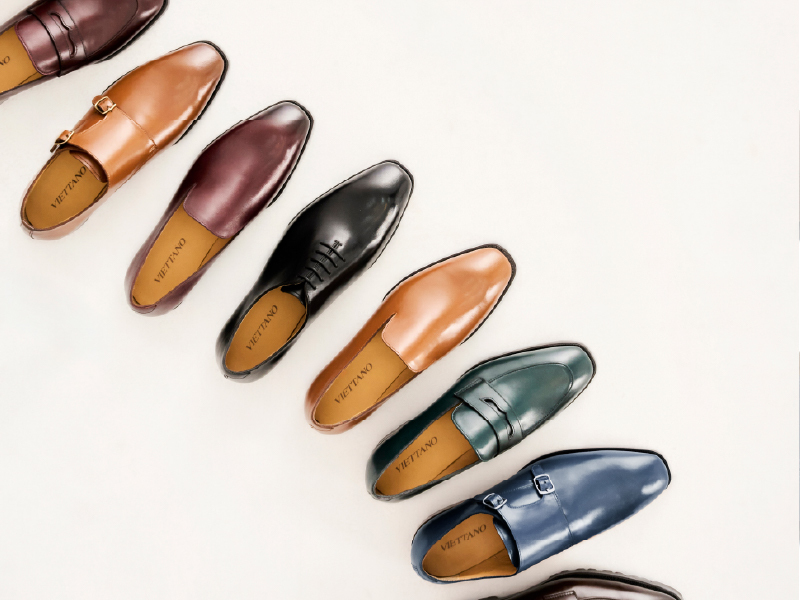
Silhouette sets a shoe's proportions before any other choice
Principle Two: Choose Leather for Function First
Decide what a pair must do before how it should look. A daily commuter wants durable full-grain leather and a rubber sole; a formal pair can afford a finer calf and a leather sole; suede is beautiful but less weatherproof. Function narrows the field of leathers sensibly, and aesthetics then choose among what remains.
Principle Three: Build a Coherent Color Story
Color is where designs are won or lost. The most reliable approach is one dominant tone with a single quiet accent — a dark-brown upper with a matching burnished toe cap, say, rather than two or three colors competing for the eye. If you want drama, take it from finish, through patina or burnishing, rather than from clashing hues.
Principle Four: Match Formality to Construction
Formality is communicated by construction as much as color. Closed lacing, leather soles, and minimal broguing read formal; open lacing, rubber soles, and textured leathers read casual. The signals must agree. Goodyear welt construction also lets a pair be resoled, which is why it underpins almost every well-made custom shoe.
Principle Five: Edit Your Details
The final principle is restraint. Once silhouette, leather, color, and sole are settled, add only the details that serve the design: one finish, one piece of hardware, perhaps a hidden monogram. When a choice feels uncertain, the more refined instinct is to remove rather than add.
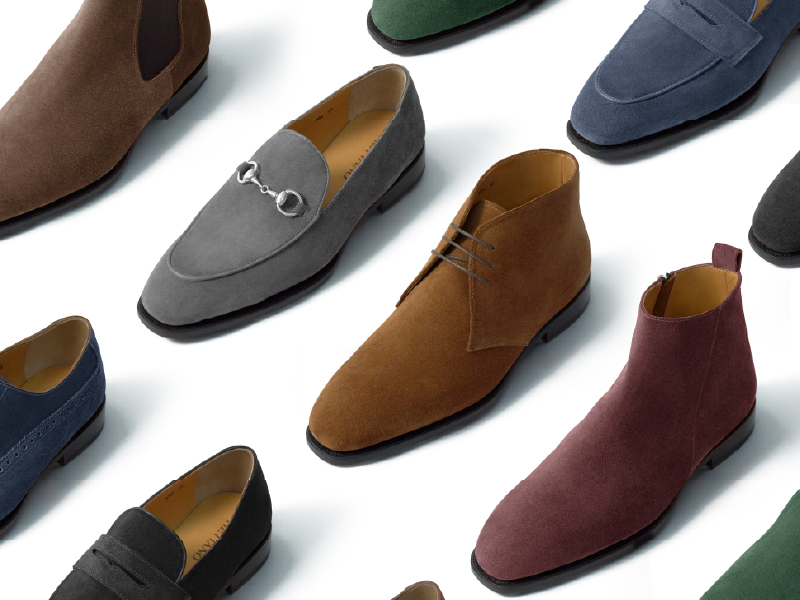
A good design guide turns scattered choices into a coherent, intentional pair
Common Mistakes in Custom Shoe Design
Even with unlimited customization options, many first-time buyers make the same design mistakes. Following sound custom shoe design principles often means resisting unnecessary choices rather than adding more of them.
Common mistakes include:
- Combining three or more leather colors on a formal shoe.
- Mixing casual details, such as thick rubber soles, with highly formal closed-lacing Oxfords.
- Choosing an extremely pointed shoe last that quickly falls out of fashion.
- Adding decorative broguing, contrast stitching, and metal hardware to the same pair.
- Prioritizing unusual colors before deciding where the shoes will actually be worn.
When in doubt, simplify. Well-designed custom shoes rarely attract attention because of excessive decoration—they stand out through balance, proportion, and thoughtful restraint.
A Simple Framework to Design Your Own Shoes
- Purpose: Where, and how often, will this pair be worn?
- Silhouette: Which shape answers that purpose?
- Leather and sole: What does the pair need to do, functionally?
- Color: One dominant tone, one quiet accent.
- Edit: What can be removed without loss?
Why Good Design Principles Matter
Good custom shoe design is less about creativity than consistency. Every choice—from silhouette to leather, color, and construction—should support the same purpose. Following proven custom shoe design principles helps you avoid trends that fade quickly and instead create shoes that remain elegant year after year.
Whether you're investing in your first pair or refining a growing wardrobe, thoughtful design always outlasts unnecessary decoration.
Frequently Asked Questions
How many colors should a custom shoe have?
Usually one dominant color, with at most one quiet accent — a contrast edge or a burnished toe cap. More than two competing colors on a dress shoe tends to look busy. If you want visual interest, draw it from finish (patina, burnishing) rather than from additional colors.
Where should I start when designing custom shoes?
With purpose, not color. Decide where the pair will be worn and how often, and the silhouette, leather, and sole follow logically. Color and detail come last.
Conclusion
Good custom shoe design principles come down to a way of thinking: begin with purpose, choose proportion and function before color, keep the palette coherent, and edit without sentiment. Apply them, and you can design your own shoes — or choose the right style to build — with results that look considered. At Viettano, every made-to-order shoe is designed around these same principles—balancing proportion, materials, construction, and timeless style rather than following short-lived trends. Explore our customization options to create a pair that reflects your needs while remaining elegant for years to come.